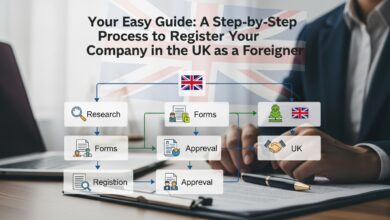
Unlocking Your UK Business Dream: A Guide to Legal Requirements and Visas for Expats Opening a Business in the UK

Dreaming of launching your own venture in the vibrant UK market? You’re not alone! The United Kingdom is a hub of innovation and opportunity, attracting entrepreneurs from all corners of the globe. However, for expats, understanding the specific legal requirements and visas for expats opening a business in the UK is absolutely crucial for a smooth and successful launch. Don’t worry, we’re here to demystify the process and help you navigate the essential steps.
Navigating UK Business Visas for Expats
The first hurdle for any expat looking to start a business in the UK is securing the right to live and work there. The UK offers several visa routes, but for entrepreneurs, a couple stand out.





The Innovator Founder Visa: Your Primary Route
The Innovator Founder visa is designed for experienced businesspeople seeking to establish an innovative, viable, and scalable business in the UK. Key requirements often include:
- An endorsement from an approved endorsing body.
- A robust and innovative business idea that is different from anything else on the market, or meets an unmet need.
- At least £50,000 in investment funds (unless you’re switching from a Start-up visa or have already invested funds in your business).
- Proficiency in English to at least CEFR Level B2.
This visa allows you to stay in the UK for 3 years, with the possibility of extension and eventually, indefinite leave to remain. It’s a fantastic opportunity for serious entrepreneurs.
The Scale-up Visa: For Growing Businesses
While not directly for ‘opening’ a new business from scratch, the Scale-up visa is worth noting if your existing overseas business is looking to expand into the UK, or if you’re a highly skilled individual recruited by a fast-growing UK business. This visa allows eligible individuals to come to the UK for an initial period of 2 years, with the potential for extension.

Essential Legal Requirements for Your UK Business
Once your visa situation is sorted, it’s time to dive into the nitty-gritty of setting up your business legally. The UK has a well-defined legal framework, and compliance is key.
Choosing Your Business Structure
One of the first decisions you’ll make is what legal structure your business will take. Each has different implications for liability, taxation, and administration:
- Sole Trader: Simple to set up, but you are personally responsible for all business debts.
- Partnership: Two or more people share ownership and responsibility, often with unlimited liability.
- Limited Company (Ltd): This is a separate legal entity from its owners, offering limited liability. It’s often the preferred choice for growing businesses, but comes with more administrative responsibilities.
Most expats launching a serious venture opt for a Limited Company due to the protection it offers.
Registering Your Business with Companies House and HMRC
If you choose to form a Limited Company, you’ll need to register it with Companies House. This involves choosing a company name, providing an address, and appointing directors and shareholders. Afterwards, you must register with HMRC (HM Revenue and Customs) for corporation tax.
For sole traders, you only need to register with HMRC for Self Assessment once you start trading.
Understanding Compliance and Regulations
The UK has various laws and regulations you’ll need to adhere to. This includes:
- Data Protection (GDPR): If you handle personal data of UK citizens, you must comply with GDPR rules, including registering with the Information Commissioner’s Office (ICO).
- Licenses and Permits: Depending on your industry (e.g., food, finance, transportation), you may need specific licenses or permits from local councils or regulatory bodies.
- Employment Law: If you plan to hire staff, familiarise yourself with UK employment laws regarding contracts, minimum wage, working hours, and fair treatment.
- Insurance: Consider essential business insurance, such as public liability, professional indemnity, and employers’ liability insurance.

Tips for a Smooth Business Launch
- Seek Professional Advice: Don’t go it alone! Engage with UK immigration lawyers for visa guidance and business solicitors and accountants for legal and financial setup. They can save you a lot of headaches.
- Develop a Solid Business Plan: A well-researched business plan is essential not just for your visa application but also for attracting investors and guiding your operations.
- Network: Connect with other entrepreneurs, business communities, and expat groups in the UK. Their insights can be invaluable.
Successfully navigating the legal requirements and visas for expats opening a business in the UK might seem like a lot to take in, but with careful planning and the right professional support, your entrepreneurial journey in the UK can be a rewarding adventure. Good luck!