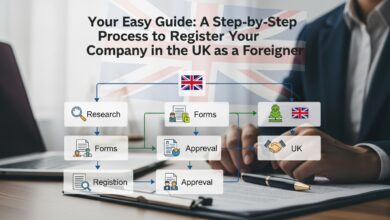
From Idea to Launch: Building a Successful UK Business as an Expat Entrepreneur – Your Essential Guide!

Hey there, aspiring expat entrepreneur! Are you dreaming of taking your brilliant business idea and making it a reality in the United Kingdom? The journey From Idea to Launch: Building a Successful UK Business as an Expat Entrepreneur might seem daunting, but with the right guidance, it’s absolutely achievable. The UK offers a vibrant, supportive ecosystem for businesses, and as an expat, you bring a unique perspective that can be a real asset. Let’s break down how you can turn your entrepreneurial dream into a thriving UK enterprise.
Dreaming Big: Nurturing Your Business Idea
The first step in any successful venture is a solid idea. But it’s not enough to just have a concept; you need to refine it.





Market Research: Is There a Niche for You?
Before investing time and money, thoroughly research the UK market. What problem does your business solve? Who are your competitors? What makes your offering unique? Understanding your target audience and their needs is crucial for positioning your business effectively. Look for gaps in the market where your expat experience or unique perspective can shine.
Crafting Your Business Plan
A well-structured business plan is your roadmap to success. It doesn’t have to be a rigid document, but it should outline your business goals, strategies, financial projections, and operational details. This plan will be invaluable when seeking funding or partners, and it helps you stay focused on your objectives.
Navigating the Legal Landscape: Expat Essentials
Operating a business in a new country means understanding its legal framework, especially for expats.
Visa and Immigration Requirements
This is often the most critical first step for expat entrepreneurs. Ensure your visa allows you to undertake business activities. Options like the Innovator Founder Visa or the Start-up Visa (though now closed to new applicants, consult with current guidelines) are designed for this purpose. Always seek professional immigration advice to ensure compliance.
Choosing Your Business Structure (Sole Trader, Ltd, Partnership)
Deciding on the legal structure of your business has significant implications for liability, taxation, and administration. Common options include:
- Sole Trader: Simple to set up, but you are personally liable for business debts.
- Limited Company (Ltd): Offers limited liability, meaning the business is a separate legal entity from you. This is a popular choice for many entrepreneurs.
- Partnership: Suitable if you’re going into business with one or more people.
Each has pros and cons, so consider consulting with an accountant or legal expert.
Getting Down to Business: Registration and Compliance
Once you have your structure, it’s time to make things official.
Registering with Companies House and HMRC
If you choose a Limited Company, you’ll need to register it with Companies House. Regardless of your structure, you’ll also need to register with HM Revenue & Customs (HMRC) for tax purposes. This involves getting a Unique Taxpayer Reference (UTR) if you’re self-employed, or registering your company for Corporation Tax.
Understanding UK Tax Obligations
The UK has a clear tax system, but it can be complex. You’ll need to understand: Income Tax, National Insurance, Corporation Tax (for Ltd companies), and potentially VAT if your turnover exceeds the threshold. Keeping accurate records is key.

Funding Your Vision: Financial Steps for Expats
No business can truly thrive without proper financial planning.
Opening a UK Business Bank Account
This is essential for separating your personal and business finances. Most UK banks offer business accounts, but requirements can vary for expats, so prepare the necessary documentation like proof of address and ID.
Exploring Funding Options (Loans, Grants, Angel Investors)
The UK has various funding avenues: traditional bank loans, government grants (especially for innovative businesses), venture capital, and angel investors. Your well-crafted business plan will be vital when pitching to potential funders. Don’t forget crowdfunding platforms as a viable option too!
Making Your Mark: Marketing and Networking in the UK
With the legal and financial foundations laid, it’s time to introduce your business to the world.
Building Your Brand and Digital Presence
In today’s digital age, a strong online presence is non-negotiable. This includes a professional website, active social media profiles, and engaging content that speaks to your target audience. Consider local SEO strategies to reach customers in your immediate area.
Connecting with the Local Business Community
Networking is incredibly powerful. Join local business groups, attend industry events, and leverage online professional platforms like LinkedIn. Building connections can lead to partnerships, mentorship, and new business opportunities. Don’t underestimate the power of word-of-mouth in the UK.
Overcoming Challenges: Practical Tips for Expat Entrepreneurs
The journey From Idea to Launch: Building a Successful UK Business as an Expat Entrepreneur will have its ups and downs, but preparation helps.
Embracing Cultural Nuances
Business culture in the UK might differ from what you’re used to. Be open to learning and adapting to local customs, communication styles, and consumer behaviors. This will build trust and foster stronger relationships.
Seeking Professional Advice
Don’t try to do everything yourself. Engage with UK-based professionals like accountants, solicitors, and business mentors. Their expertise can save you time, money, and stress in the long run. They can guide you through specific UK regulations and best practices.

Starting a business in a new country is an exciting adventure. By methodically working through these steps, your journey From Idea to Launch: Building a Successful UK Business as an Expat Entrepreneur can be a rewarding and successful one. The UK welcomes innovation and ambition, so get ready to launch your dream!